Photoshop vs Canva: The Complete Guide to Choosing Your Perfect Design Tool



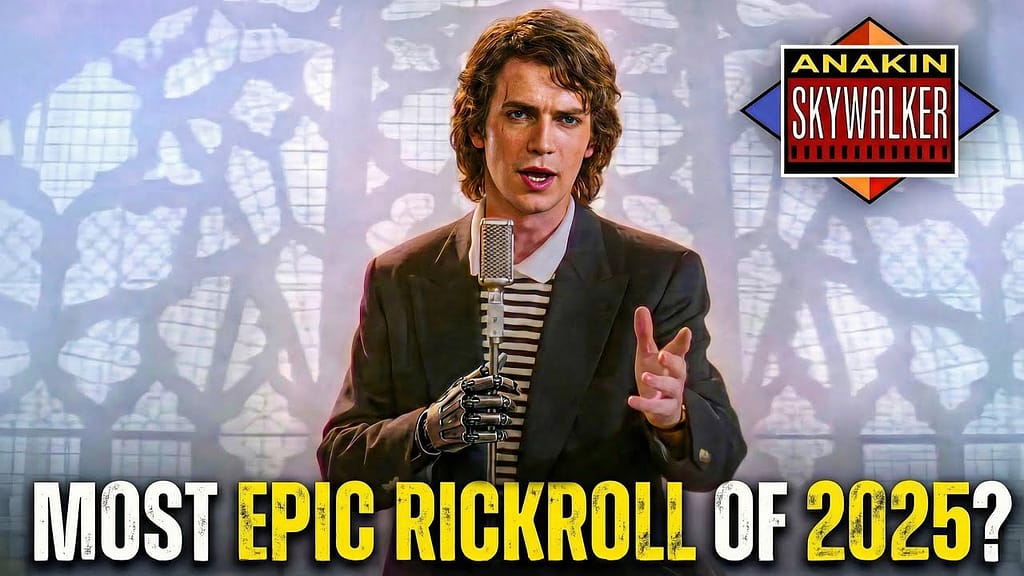
Anakin Rickrolls the Galaxy: How Epic Dubstep Parody Proves AI Slop Can Become Cinema
When Memes Meet Vision: The Evolution Beyond AI Slop
The term “AI slop” has become internet shorthand for the tsunami of low-effort, generic content flooding social media—soulless landscape videos, bizarre cooking tutorials, and uncanny valley portraits that plague every platform. But something interesting is happening beneath the surface of this digital wasteland: passionate creators are wielding the same AI tools to produce genuinely entertaining, creative content that transcends the “slop” label entirely.
Case in point: Sith Daddy’s “Anakin Rickrolls the Galaxy – Epic Dubstep Parody” video, released December 26th, 2025, demonstrates exactly how creative vision transforms AI generation from content pollution into legitimate entertainment. This isn’t just another AI video—it’s a full-scale Star Wars parody that reimagines Rick Astley’s “Never Gonna Give You Up” as an epic dubstep musical meltdown featuring Anakin Skywalker. Using Vidu AI for video generation, Suno AI for music production, and Freepik for base images, the creator crafted something that feels intentional, cinematic, and genuinely funny.
The Difference Between Slop and Art
What separates AI slop from creative AI content? Vision and curation. Anyone can type “epic space battle” into an AI generator and post whatever comes out. That’s slop—effortless, thoughtless content designed purely for algorithmic engagement. But creators like Sith Daddy are doing something fundamentally different: they’re using AI as a production tool within a larger creative framework.
The Anakin Rickroll works because someone conceived the entire concept, carefully generated and selected footage that serves the narrative, synchronized it with custom AI-generated dubstep music, and edited everything together with comedic timing and cinematic flair. The AI tools handled the technical execution, but human creativity drove every decision. The result feels cohesive, purposeful, and genuinely entertaining—qualities that mindless AI slop utterly lacks.
Democratizing Production, Not Replacing Creativity
This video represents what AI content creation should be: democratized production tools that lower barriers for creative individuals who lack traditional filmmaking resources. A decade ago, creating a Star Wars parody music video with this production value would require thousands of dollars in equipment, software, and potentially VFX artists. Today, someone with creative vision and knowledge of AI tools can produce comparable results from their bedroom.
The “bass drops strong enough to disturb the Force” and “dark-side energy to crack a kyber crystal” aren’t just marketing hyperbole—they represent genuine creative decisions about tone, pacing, and comedic exaggeration. The creator understood what would make this concept work: commitment to the bit, cinematic presentation, and enough production quality that the joke lands instead of feeling like low-effort spam.
The Future: Curation Over Generation
As AI video and music generation tools become more accessible, we’re approaching an inflection point. The internet will continue drowning in AI slop—generic content from opportunists chasing engagement. But simultaneously, we’ll see passionate creators producing increasingly sophisticated work that rivals traditional productions in creativity if not always technical polish.
The key distinction will be curation and vision. Sith Daddy’s Anakin Rickroll succeeds because someone thoughtfully curated AI outputs to serve a creative goal. They didn’t just generate—they directed, edited, and refined until the piece achieved its intended effect.
This is AI content creation’s actual promise: not replacing human creativity, but amplifying it. When someone with genuine passion and vision uses these tools, the results transcend “slop” entirely. They become legitimate entertainment that makes audiences laugh, engage, and share—which is exactly what good content has always done, regardless of how it’s produced.
The Anakin Rickroll proves that in the right hands, AI isn’t killing creativity—it’s just changing who gets to participate in making it.